
TUESDAY, DECEMBER 30, 2025. BY STAN GRANT, VITICULTURIST.
Here are few realities of winegrape growing. First, every combination of grapevine variety and rootstock has an inherent genetic potential for growth and fruit production. Second, every vineyard site imposes limitations on the growth and fruit production potential of a grapevine. These limitations involve, to varying degrees, the combined effects of climate, soil, slope, and aspect. Third, at various times and to varying degrees, stresses further restrict vine growth and fruit production potential.
Stress occurs when vines cannot acquire or fully use carbon, water, and mineral nutrients for growth and development. Altered metabolism, injured tissues, restricted growth, decreased fruit yields, and diminished berry quality are among the effects of stresses.
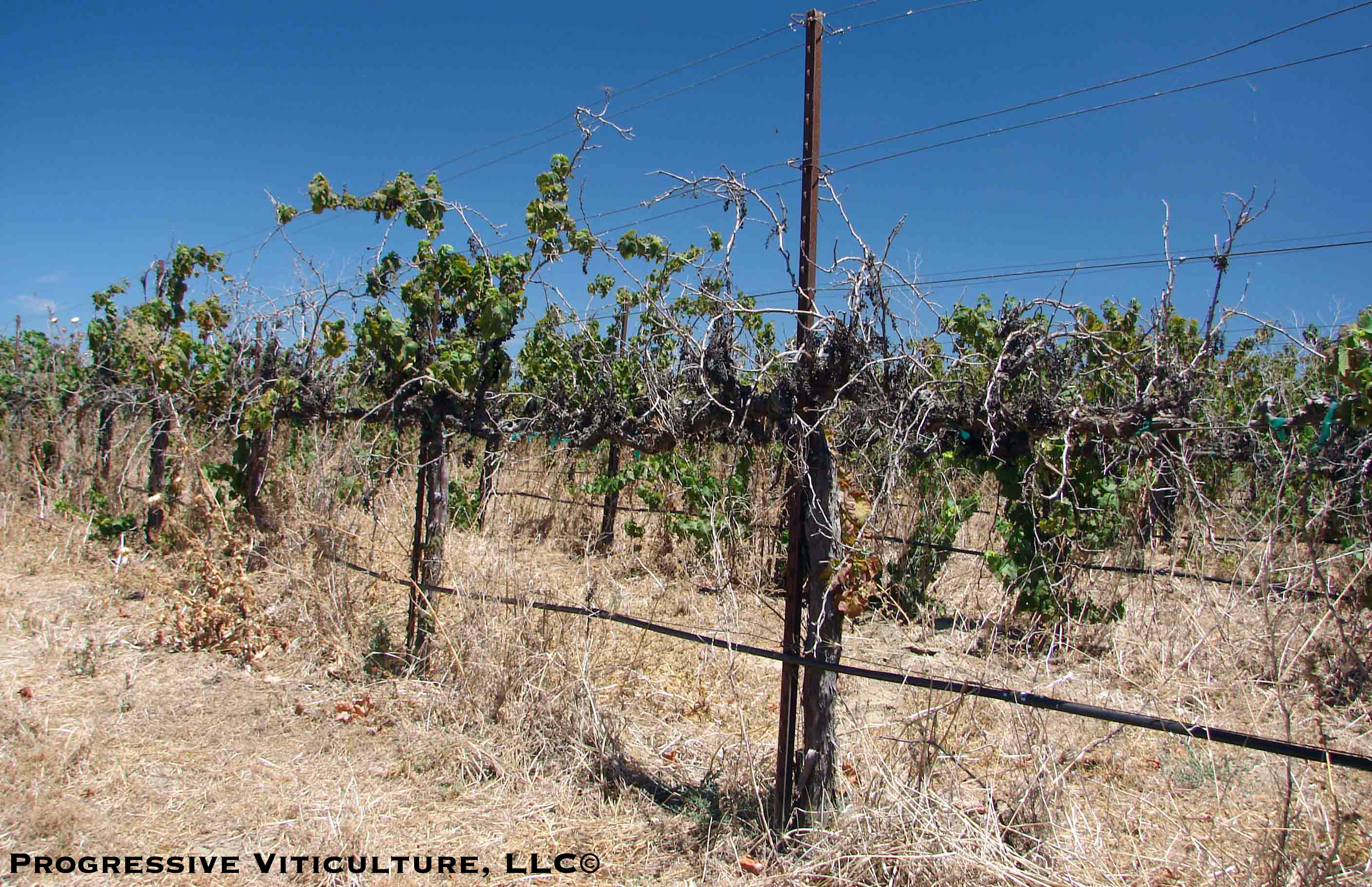 Figure 1. The effects of uncontrolled stresses are apparent in an abandoned Chardonnay vineyard. Photo source: Progressive Viticulture ©.
The nature and magnitude of these effects depends upon the intensity and duration of the particular stress. Transient and mild stresses may go unnoticed. In contrast, severe and prolonged stress can have effects that carry over into subsequent growing seasons, leading to declining vine health and even death (Figure 1, above). Between these extremes are stress levels and related effects that may or not be tolerable for a grape grower and his or her vineyard operation. I write this because, in my experience, tolerance for certain grapevine stresses varies among vineyard managers.
In this article, we focus on how stresses originate, initially appear, and progress in severity. We do so to help us consider a few questions about stresses. First, what stress levels are tolerable in terms of current season impacts on fruit yield, grape quality, and possibly, winery relations? Perhaps more important, for stresses which potentially impact future production capacity, what levels are tolerable? Finally, how can one recognize when vines are approaching the limits of tolerable stress?
Principal Types of Grapevine Stresses
There are two broad categories of grapevine stresses. Biotic stresses are due to the activities of certain organisms in a vineyard. Some of these organisms induce stress when they compete with vines for resources, while others induce stress when they feed on vines or cause disease.
Abiotic stress is the other stress category and across crops, abiotic stresses are commonly responsible for between 50% to 70% of reductions in yield. Environmental factors induce abiotic stresses in vines either directly or indirectly.
Abiotic stressors that directly disrupt vine functions include temperatures that are too cold or too hot, too little or too much sunlight, and too much crop relative to the functional leaf area. A water deficit or an overabundance of water, an excess of soluble minerals (salts), mineral ion toxicities, and mineral nutrient deficiencies are indirect grapevine stressors. Abiotic stressors sometimes occur in combination. Below we consider three abiotic stresses to help us discern tolerable limits of grapevine stress.
Grapevines Stress Due to Water Deficits
Perhaps more than any time of year, the risk of grapevine stress is greatest between veraison and harvest. This is so due to two factors. First, the high demand for resources to support ripening places immense pressure on the available supply, which sometimes falls short. This includes the supply of carbohydrates, water, and certain mineral nutrients. Second, atmospheric conditions often approach or exceed grapevine tolerances to heat, solar radiation (UV), and aridity.
Modern winegrape growers add a third element to the risk of grapevine stress during the ripening period. We deliberately limit the supply of water to induce some degree of water stress. Such deficit irrigation, when carefully implemented, provides important benefits, which include increased grape production per unit applied water, reduced fungal disease, enhanced berry quality, and hopefully, favorable winery relations.
There are a couple of other aspects of deficit irrigation that are important for vineyard managers to be aware of. First, the effects of regulated deficit irrigation are greater in warmer regions and warmer seasons than in cooler ones. This is so because there is a greater likelihood that the atmospheric evaporative demand will exceed the capacity of vines to take up water from the soil. Second, water stress resulting from water deficits, which have both resource and environmental elements, can increase the likelihood of other ripening periods stresses, including heat stress, mineral nutrient deficiencies, mineral ion toxicities, and pest mite infestations. Here we consider the progression of water stress effects due to intensifying water deficits.
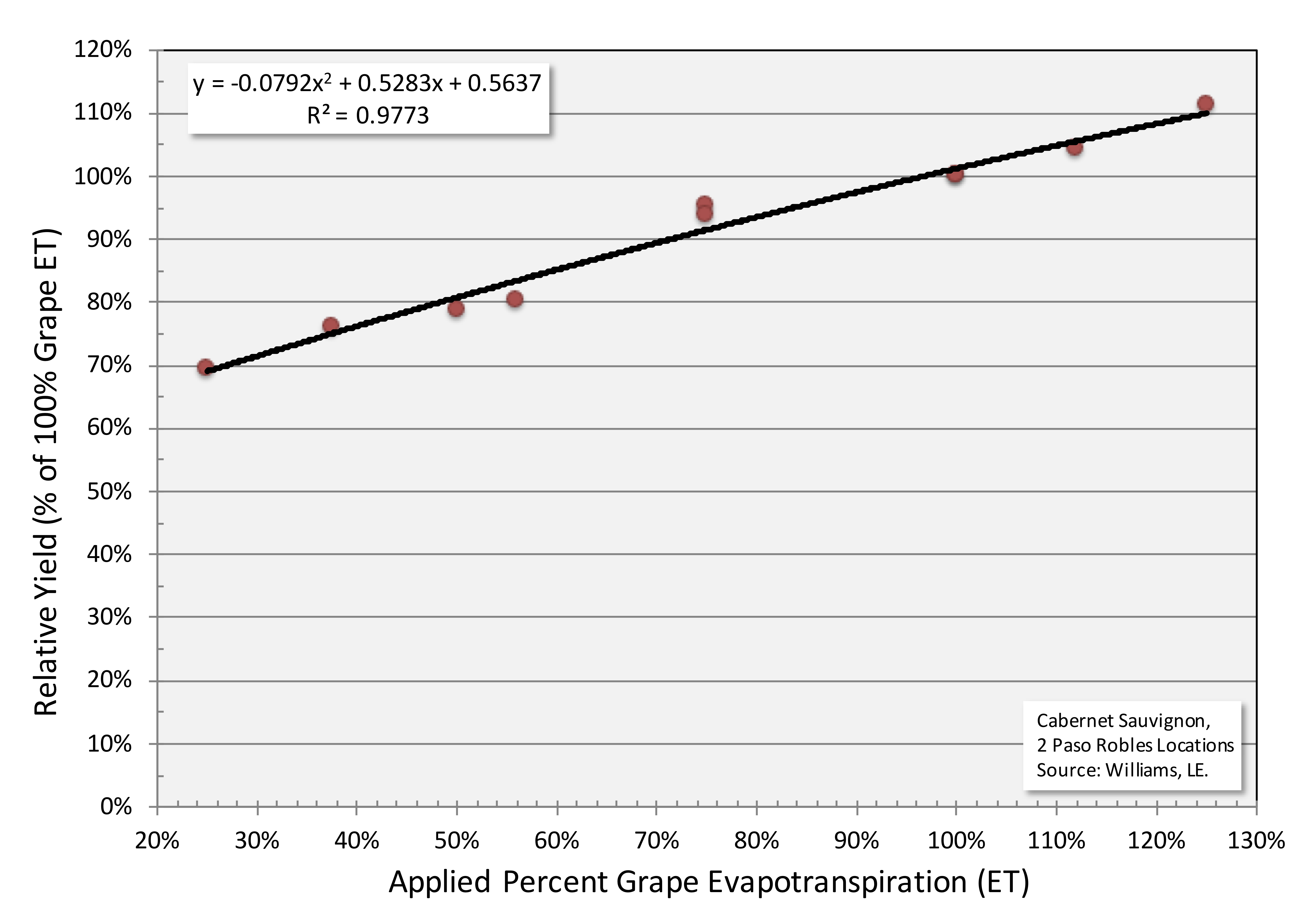 Figure 2. Sustained deficit irrigation decreases Cabernet Sauvignon fruit yields. Source: Williams, LE.
Fruit yields steadily decrease as the intensity of a water deficit sustained over the growing season increases. In the examples from the Paso Robles area in Figure 2 above, when about 50% of the full amount of water the vineyards could use (i.e., 50% grape evapotranspiration or ETg) was applied through the season, yields were reduced by about 20%.
Withholding water for a specific period during the growing season also impacts yields. With Cabernet Franc grapevines in the Napa Valley, withholding irrigations after veraison reduced yields by 15%, while withholding irrigations before veraison reduced yields by about 35% and withholding irrigations for the entire season reduced yields by 50% (Figure 3, below).
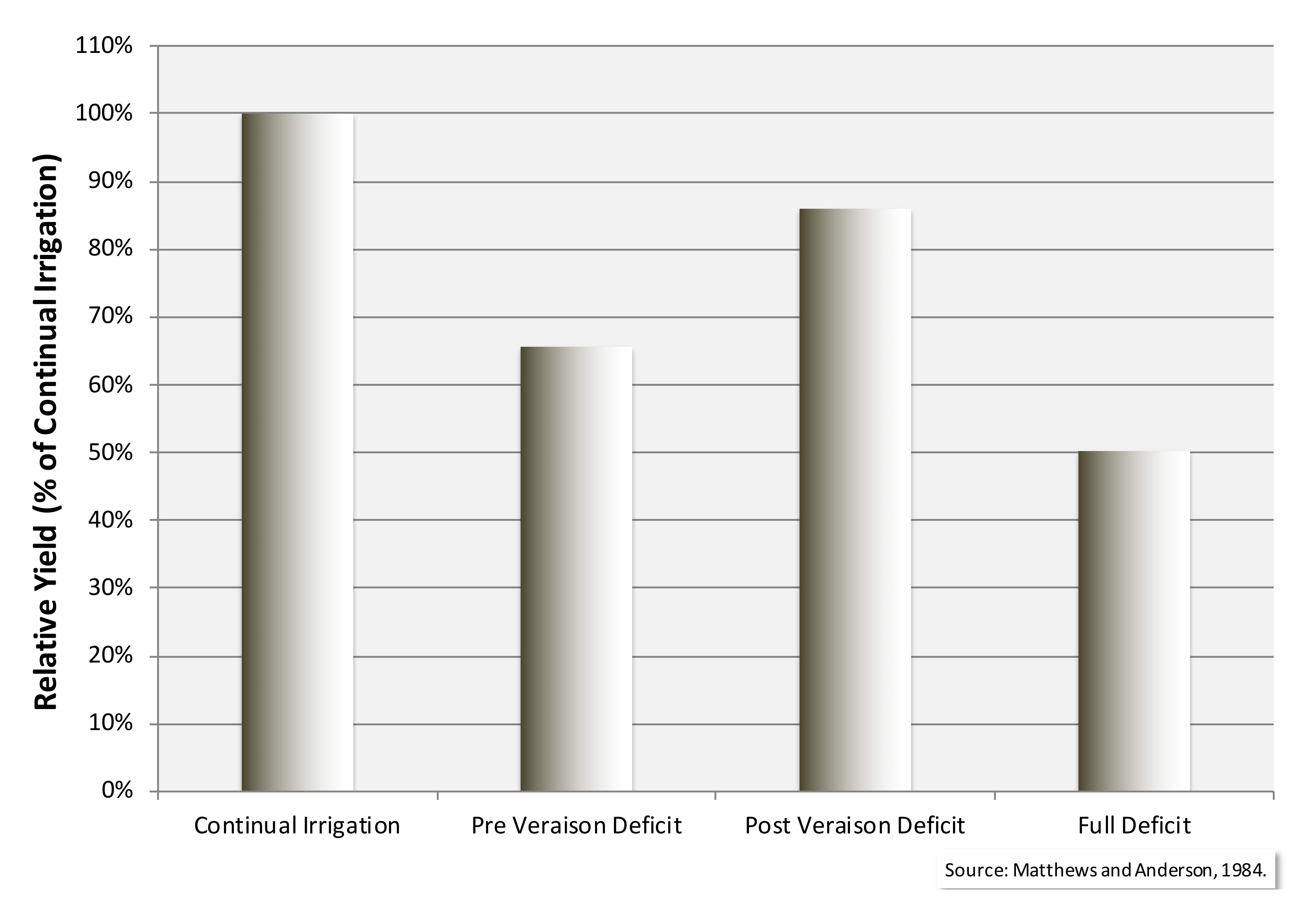 Figure 3. The period of deficit irrigation impacts the amount of Cabernet Franc fruit yield loss. Source: Matthews and Anderson, 1984.
Water stress negatively effects sugar accumulation in berries when it impairs photosynthesis. This becomes apparent when vine water status, as indicated by midday leaf water potential, becomes more negative than about -13 bars. At about -15 bars, photosynthesis ceases and fruit maturation stalls.
The effects of severe water deficits and associated stress are also apparent in vine foliage. Arched petioles and downward facing, somewhat flaccid leaf blades are symptoms of sudden severe water stress (Figure 4, below).
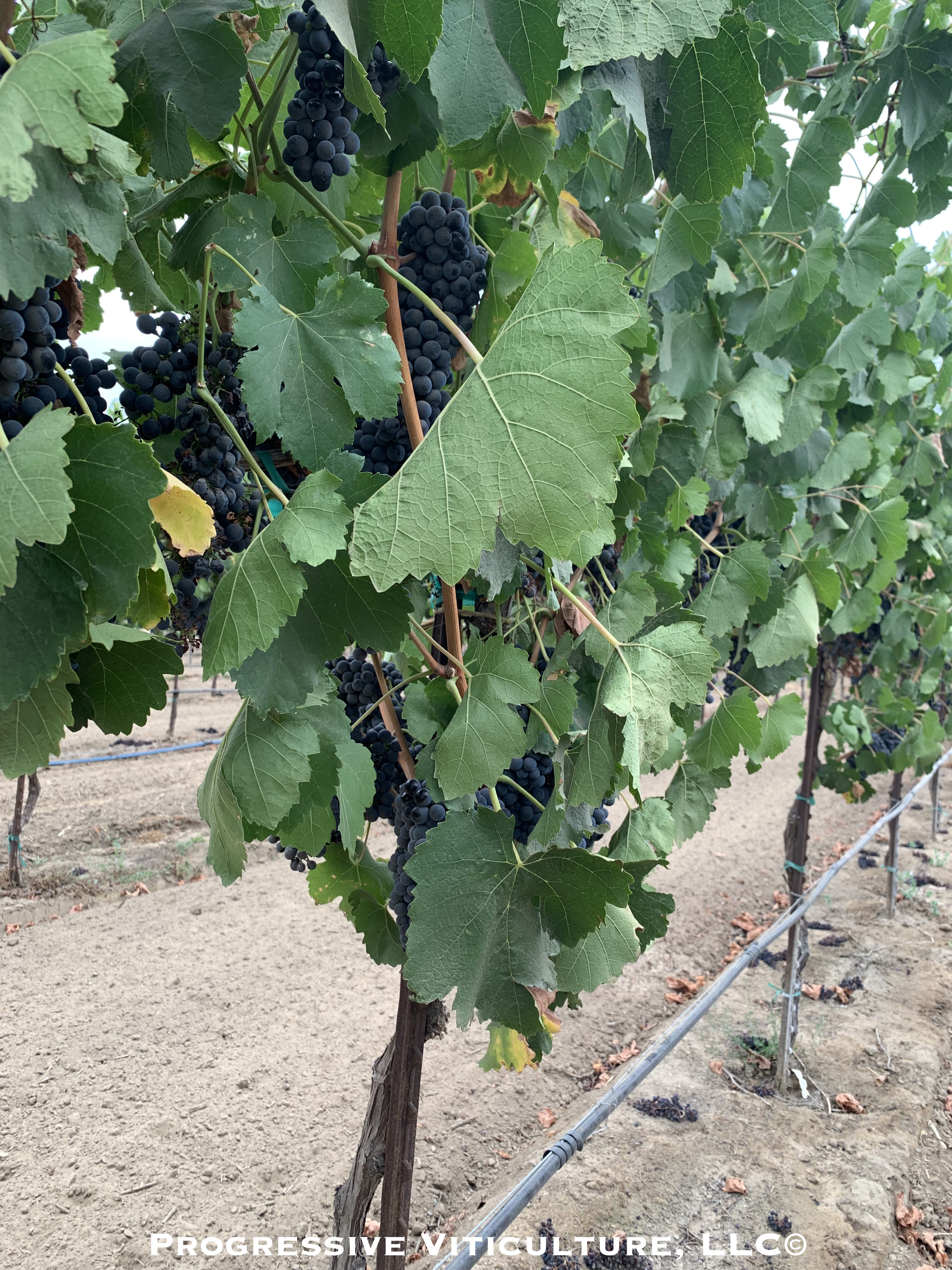 Figure 4. A loss of turgidity in petioles and leaf blades is an indicator of the sudden onset of severe water stress. Photo source: Progressive Viticulture ©.
More commonly, severe water stress symptoms develop gradually, first appearing as yellow patches occurring randomly on leaves near the bottom of shoots. These water stress symptoms coincide with inhibited photosynthesis, ruptured cell membranes, and the accumulation of reactive oxygen compounds. Later, as the period of severe water stress continues, yellowed patches expand and dead tissues appear, while at the same time symptomatic leaves appear at nodes further up shoots and the vine’s ripening capacity is proportionately reduced.
Finally, severely damaged leaves abscise and fall from the shoots water stressed vines (Figure 5, below). The extent of leaf injury and defoliation determines a severely water stressed vines capacity for photosynthesis, carbohydrate production, and fruit maturation. Berries, being the strongest sink for carbohydrates during ripening, will easily exhaust a limited supply of photosynthates an injured canopy can produce.
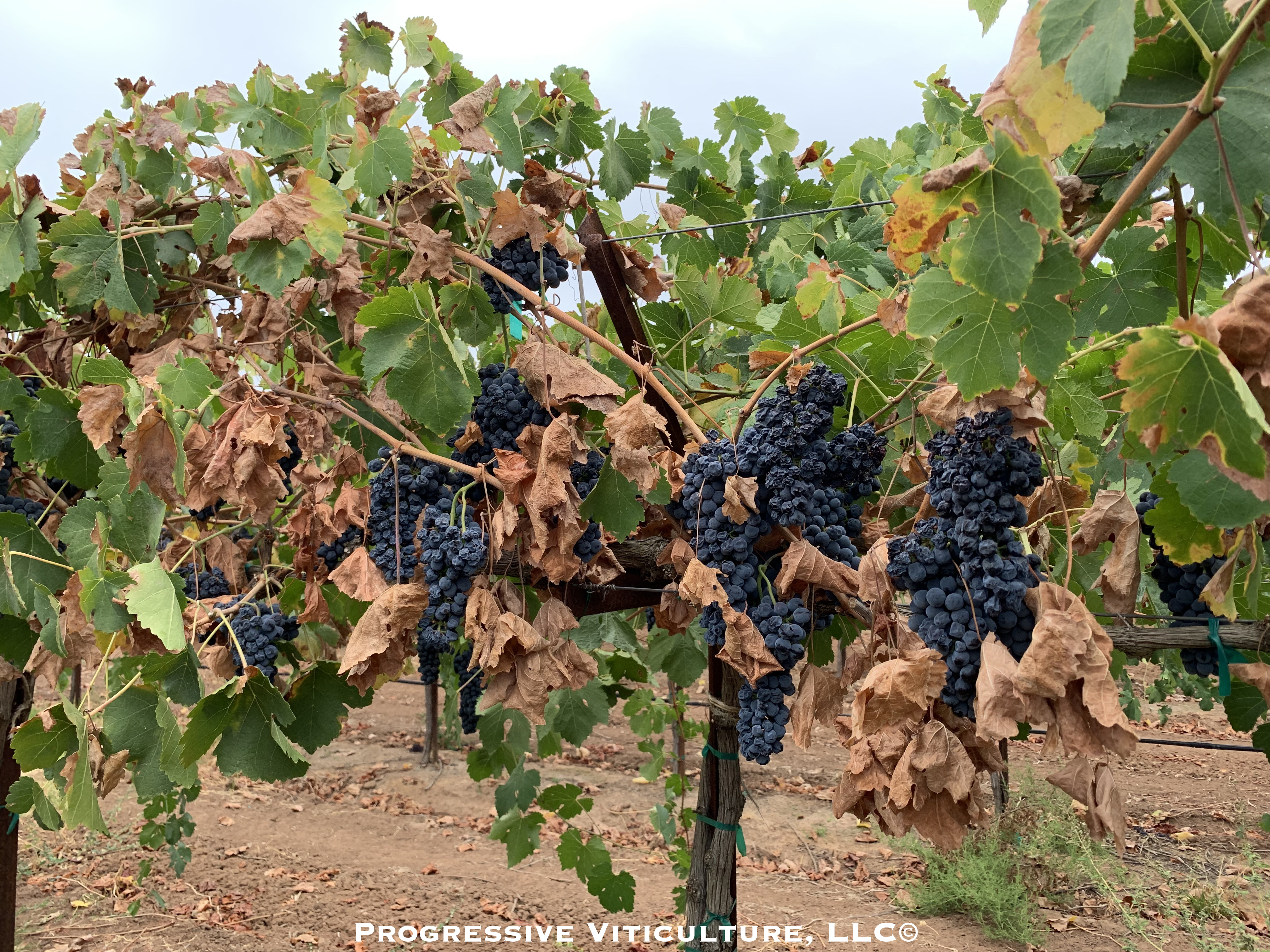 Figure 5. Leaf damage and defoliation greatly reduce the ripening capacity of severely water stressed grapevines. Photo source: Progressive Viticulture ©.
To some degree, ripening fruit will draw on the supply of carbohydrates stored in woody vine tissues, but after extensive defoliation, the carbohydrate pull may be so great as to leave little reserve to support next year’s shoot growth and canopy development. Under these circumstances, vine fruit production capacity and health declines.
Deficit irrigation may be an important facet of modern winegrape growing, but every vineyard manager must answer the question: how much stress is too much? Obviously, some regulation of water stress is necessary for restraining yield losses, minimizing delays in berry maturation, and avoiding reductions in future fruit production capacity. As indicated here, foliage appearance and midday leaf water potential are reliable indicators of grapevine water status useful for recognizing tolerable limits of water stress and the need for irrigation.
Grapevine Stress Due to Excess Soluble Minerals (Salts)
Saline soils are soils containing high concentrations of water-soluble minerals, which are also known as salts. Soil salinity is a concern for vineyards irrigated with saline waters (electrical conductivity more than 1.0 to 2.7 dS/m), especially where soils are slowly permeable or poorly drained. Salinity is also a greater concern for vineyards on soils low in clay, which have little capacity to adsorb salts and buffer their effects. Imprudent and excessively high-rate fertilizer applications can make soils saline, at least in the short term.
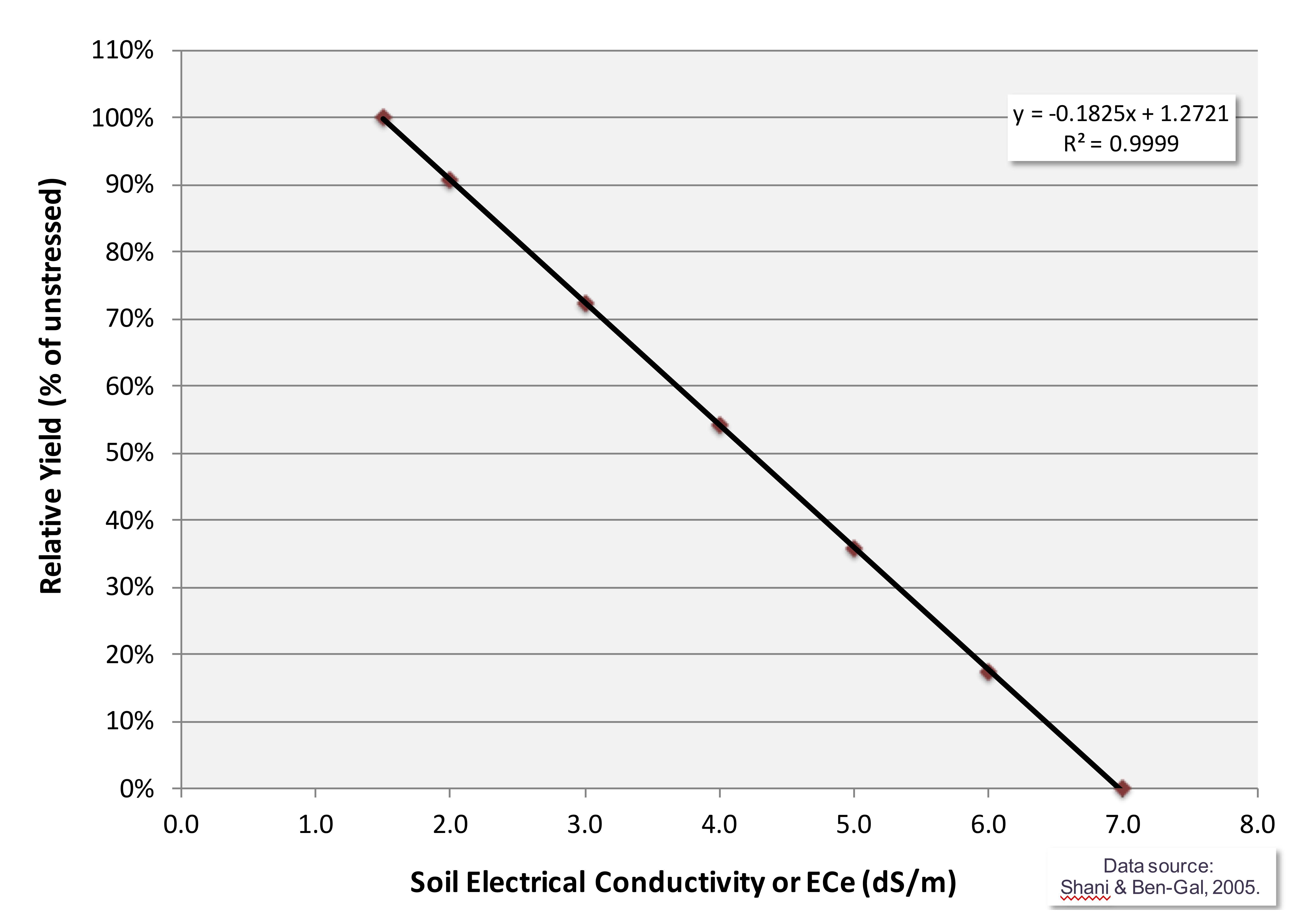 Figure 6. Fruit yields rapidly decline as soil salinity increases. Data source: Shani & Ben-Gal, 2005.
Salinity creates energy (osmotic) gradients grapevines have to work against to take up water, predisposing them to water stress. Correspondingly, the foliar symptoms of excess soil salinity appear like those of water stress. However, the impacts of soil salinity on fruit yield are greater than those of water stress, with a steady and steep yield decrease with each unit (dS/m) increase in salinity (Figure 6, above). As such, vineyard managers are apt to have less tolerance for salinity stress than water stress.
Usually, the negative effects of soil salinity become apparent midseason. This occurs after soil moisture from winter rains has been depleted and salts concentrate in the limited volumes of wetted soil under drip emitters. In some instances, a few potentially toxic soluble minerals are important contributors to soil salinity, such as chloride and sodium. Even then, increasing salinity induces water stress in vines before the onset of specific ion stresses. Between the two ions, excess chloride is a more common problem than excess sodium. This is so because chloride, unlike sodium, interacts negligibly with soil solids and remains almost entirely in the soil solution. Due to sodium adsorption on soil particles, excess sodium normally degrades soil structure and limits soil permeability to air and water before becoming toxic to grapevines.
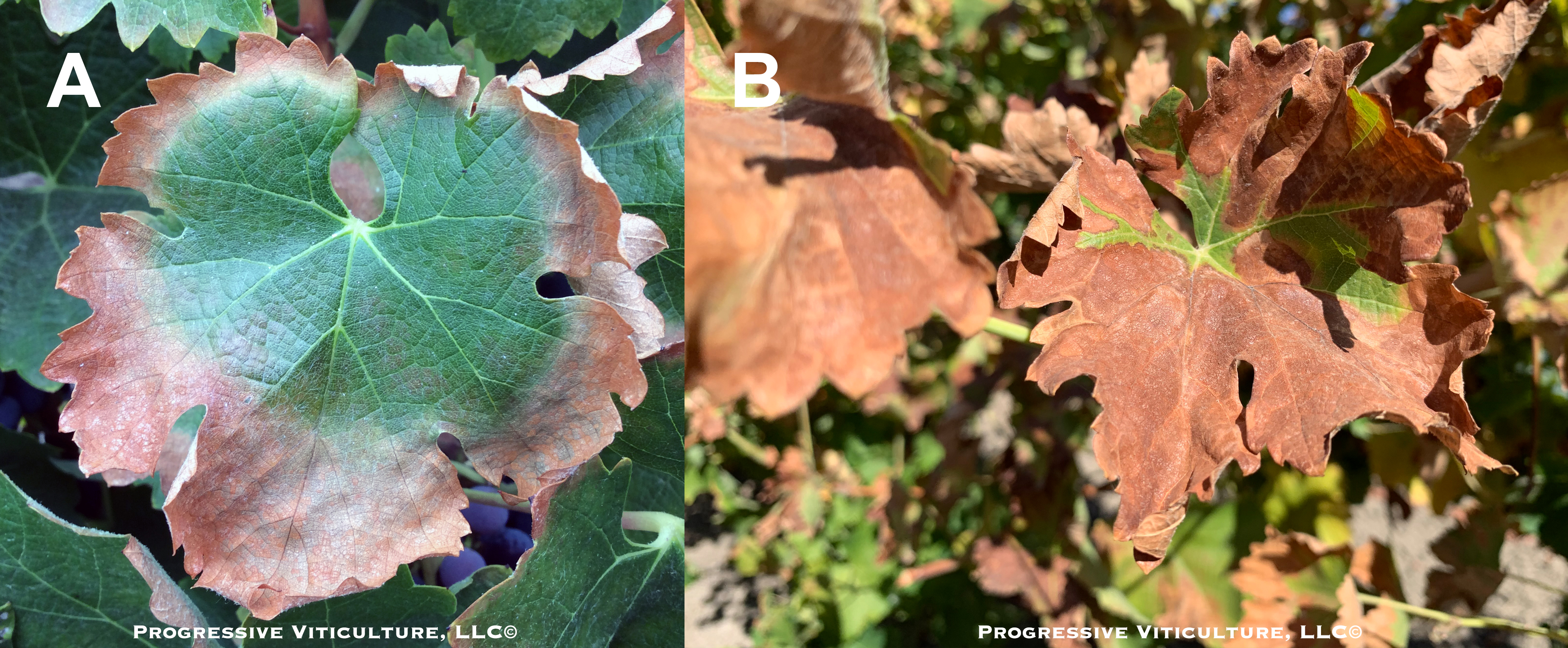 Figure 7. Moderately severe (A) and very severe (B) leaf symptoms of chloride toxicity. Photo source: Progressive Viticulture ©.
Chloride and sodium ions readily move into and through grapevines as they take up and transpire water. Once they are inside of a vine, these ions tend to move as far as they can, arriving at the edges of leaves. There they accumulate and when concentrations are sufficiently high, they become toxic, leaving a band of dead tissues (Figure 7, above). This normally occurs when leaf blade chloride concentrations are about 0.5 ppm or higher and sodium concentrations are about 0.25 ppm or higher.
Grapevine ripening capacity decreases in proportion to the amount of leaf tissue death due to specific ion toxicity. In severe cases, fruit yields rapidly decline and berries may acquire a salty taste. In extreme instances of chloride toxicity, vines may die. Young vines, with their comparatively low biomass and limited capacity for ion dilution, are most vulnerable to chloride and sodium toxicity.
Needless to say, the stresses associated with severe salinity and ion toxicity effects are serious. As such, vineyards at risk for these stresses require careful monitoring for the onset of stress. Additionally, limiting these stresses requires low salinity irrigation water or at least, careful irrigation scheduling, as well as measures to ensure adequate soil permeability and root zone drainage.
Grapevine Crop Stress
Vines bearing too many berries relative to their exposed leaf surface areas face challenges (Figure 8, below). They lack the photosynthetic capacity to produce the carbohydrates required for ripening, as well as sufficient transpirational capacity to support normal berry expansion and mineral nutrient uptake. Crop stress and overcropping are the terms describing such an imbalance between ripening demand and ripening capacity.
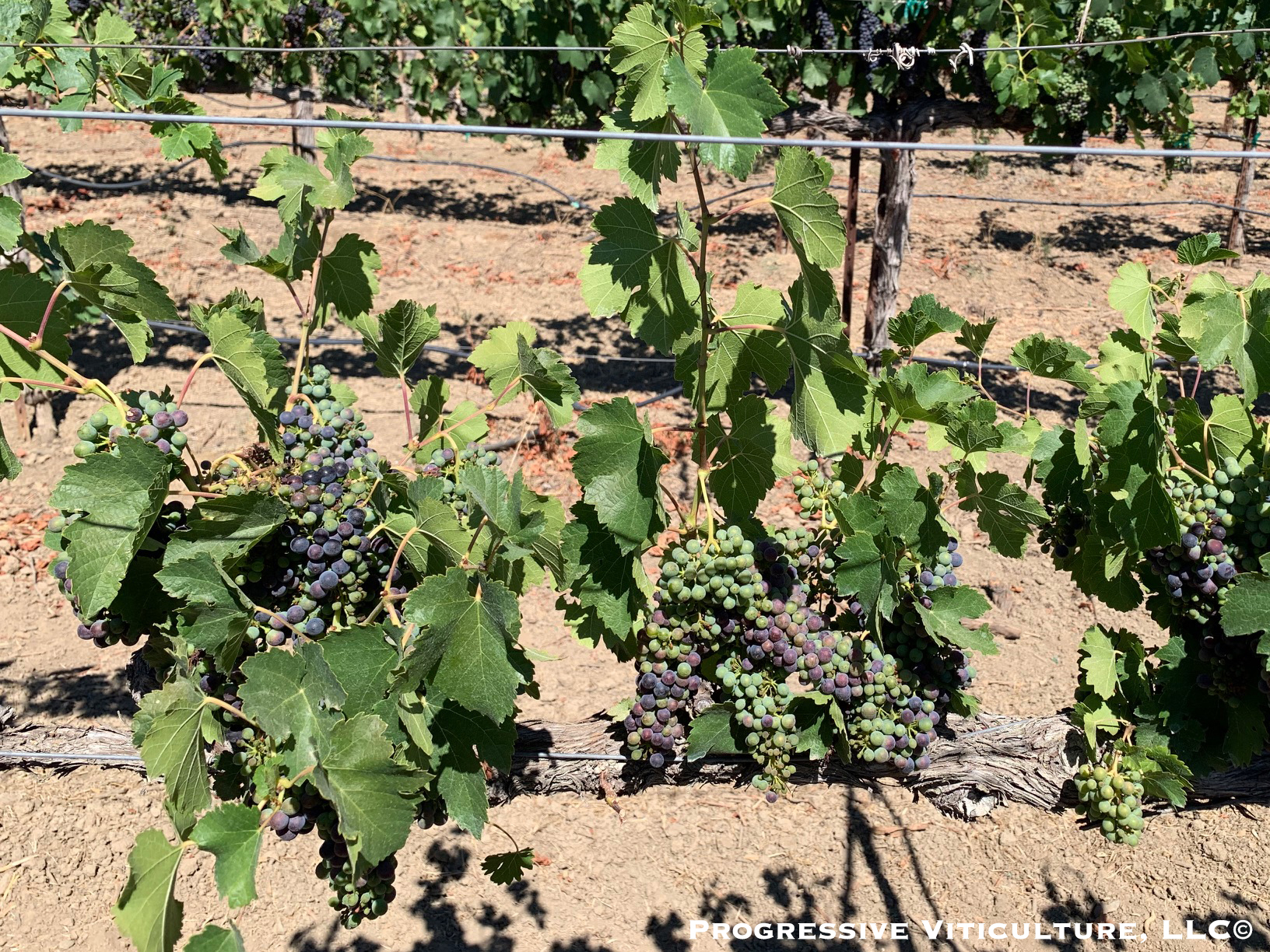 Figure 8. Internal competition for grapevine resources becomes acute when there are too few leaves relative to berries, creating crop stress. Photo source: Progressive Viticulture ©.
Like other abiotic stresses, the effects of crop stress are proportionate to intensity and duration. These may simply include a delay in the onset of veraison, impaired fruit maturation, and lengthened ripening periods. In more severe cases, canes fail to fully ripen and have limited winter cold tolerance, and carbohydrate storage in woody tissues to support future vine growth and fruit production is limited. Any of these effects is an indicator of crop stress, but before they appear overcropping will be evident as fewer than about 8 leaves per shoot during bloom and/or fewer than 14 leaves per shoot with two clusters at full canopy.
Fortunately, crop removal is an easy remedy for crop stress. The more prudent approach, however, is to avoid crop stress, ensuring sufficient canopy development (i.e., 14 to 20 leaves per shoot with two clusters) before the onset of ripening through careful canopy, water, and mineral nutrient management.
How Much Stress is Too Much?
We have discussed three examples of abiotic stresses affecting grapevines. And we have seen the amount of harm these stresses cause is roughly proportionate to their intensity and duration, which is generally true for all grapevine stresses (Table 1, below).
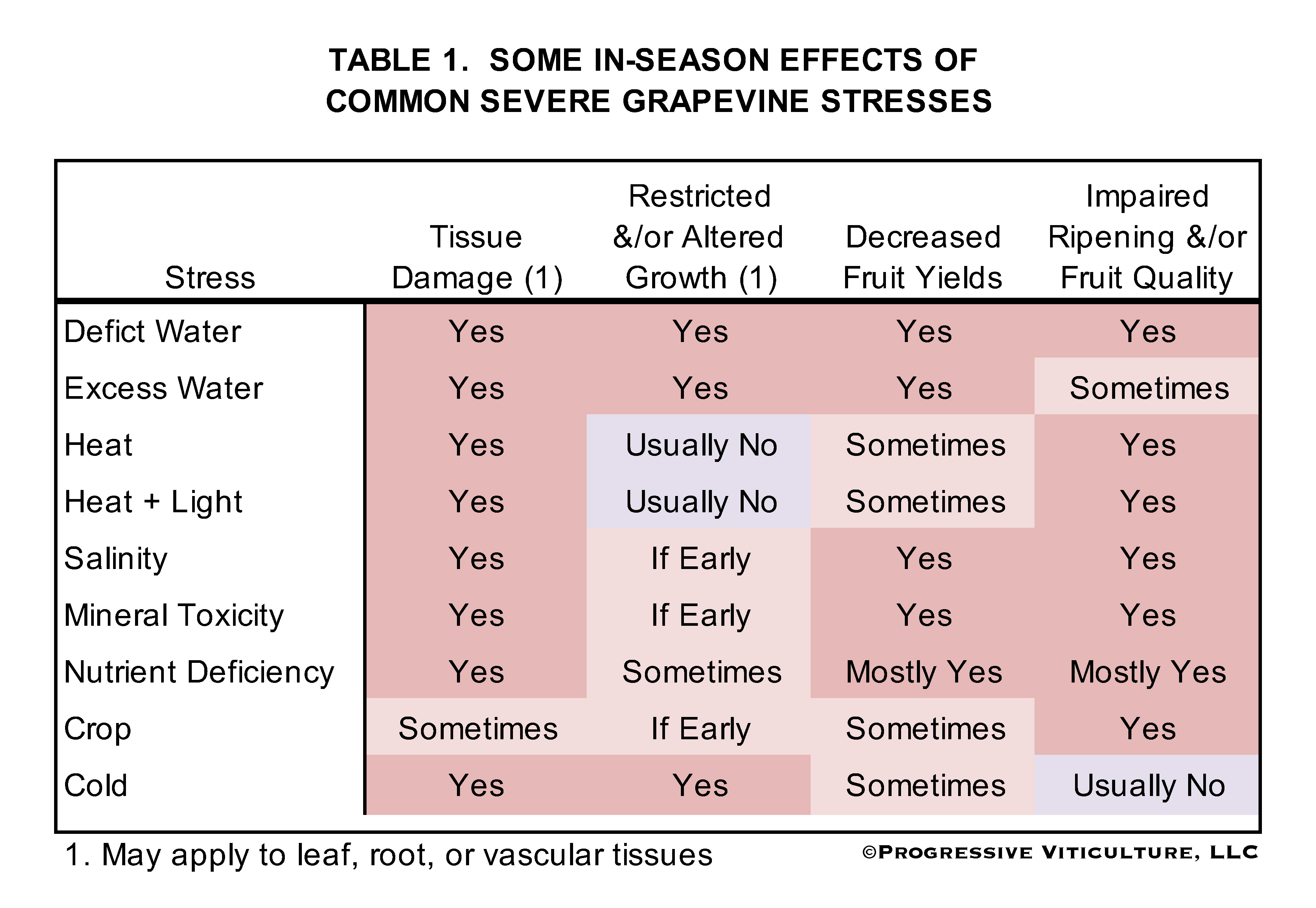
But how much stress is too much? I submit that any stress directly leading either to persistent low grapevine growth vigor, chronic low fruit production, consistent poor fruit quality, or vine death is too much.
By these criteria, there are a few intolerable biotic stresses for grapevines. The effects of certain virus diseases, the advanced stages of fungal diseases of cordon and trunk wood, and extensive root dieback due to pest injury or diseases are among them. These stressors have several negative effects on vine functions, with disrupted movement of water, mineral nutrients, hormones, photosynthates, and other solutes within vascular tissues being one they have in common.
Abiotic stresses that cause extensive tissue damage and death are difficult to tolerate. These include the environmental stresses that kill a large portion of leaves within canopies during the growing season, such as severe cases of the three abiotic stresses considered in this article.
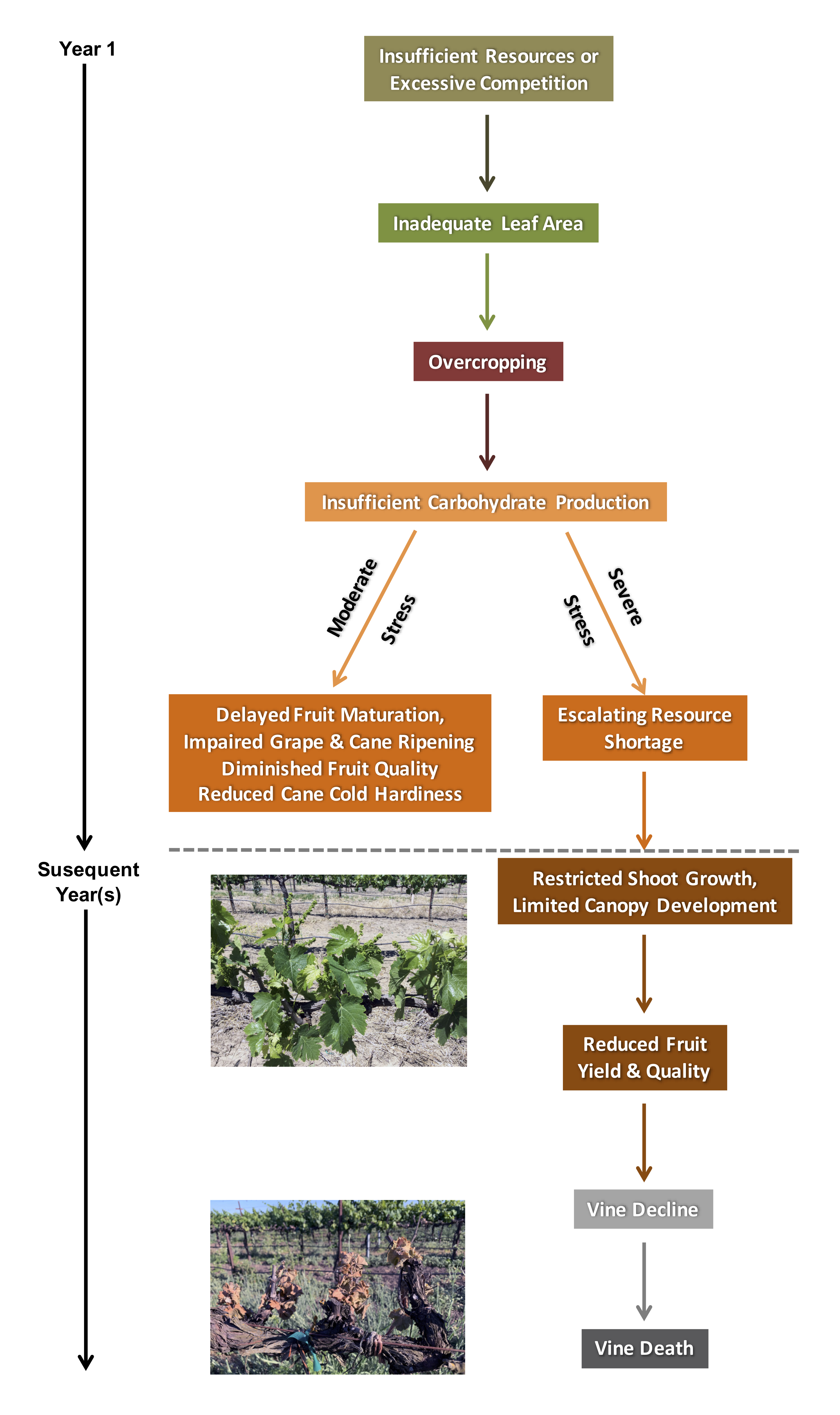 Figure 9. The near-term and long-term effects of overcropping. Chart source: Progressive Viticulture ©.
With the large-scale loss of effective leaf area under stress, vines have too little photosynthetic capacity to satisfy internal carbohydrate demand for fruit maturation, cane wood ripening, and storage in woody grapevine tissues. They become effectively overcropped (Figure 9, above).
Stress induced death of tissues is also a concern for woody vine organs, including cordons, trunks, and mature roots. Their expansive growth originates in a thin layer of cells lying between the inner vascular tissues (xylem) and the outer vascular tissues (phloem). As such, these woody organs depend upon healthy cambium to generate new vascular tissues for their continued annual expansion and sustained capacity for conducting resources to support new shoot and root growth.
Cambial growth of is sensitive to water stress. There are documented cases of salt stress and boron toxicity inducing the death of cambium in some tree species and vines are likely similarly impacted. Cambium death is also evident as dead phloem in cold injured cordons and trunks (Figure 10, below). In these and other situations, injured cambium may lead to incomplete recovery of severely stressed vines and in extreme cases, vine collapse and death. It follows, abiotic stresses leading to the extensive death of cambium in woody vine organs is intolerable.
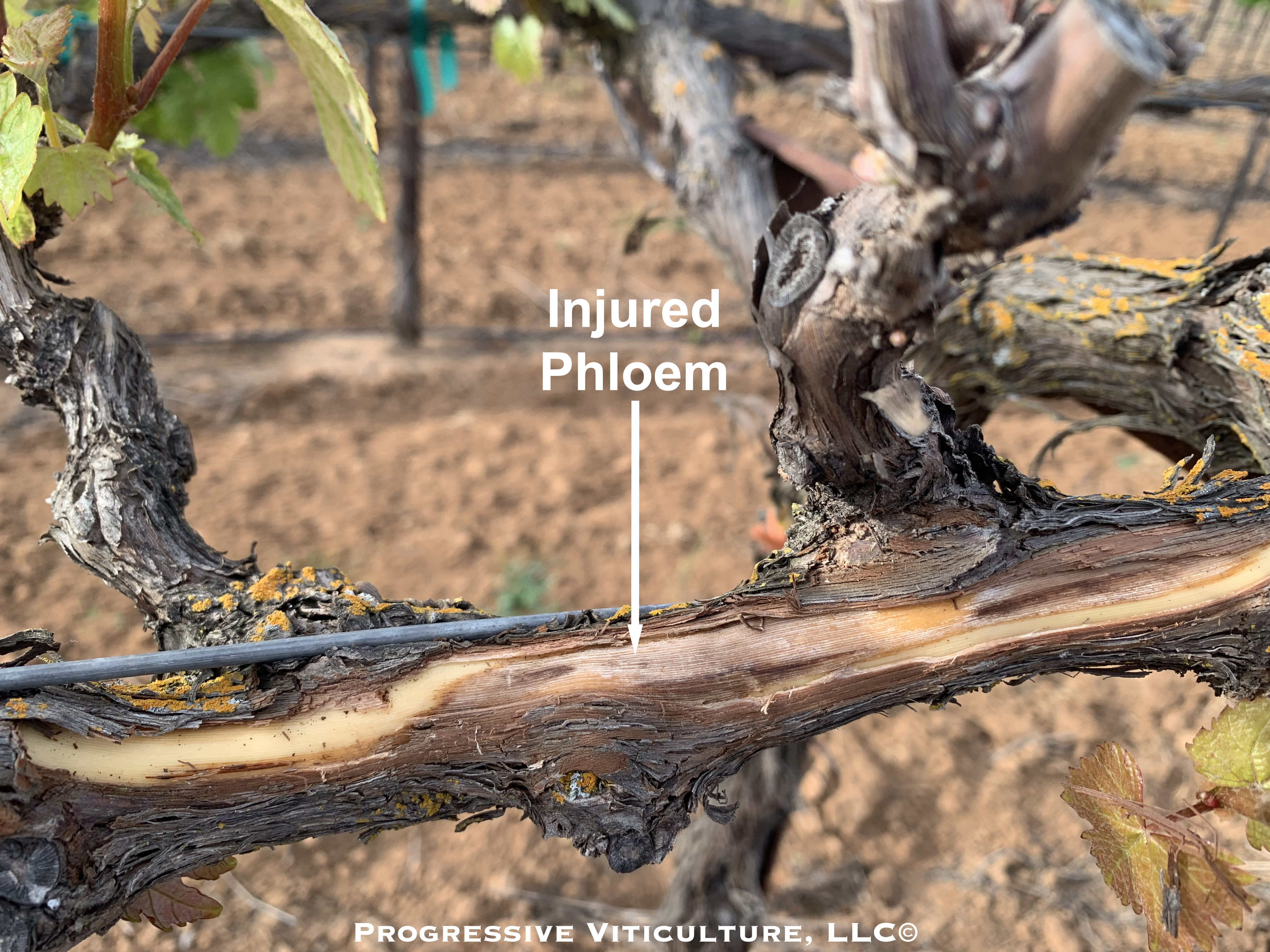 Figure 10. Where the cambium has died, cold injured outer vascular tissues (phloem) in cordons cannot be regenerated. Photo source: Progressive Viticulture ©.
In Conclusion
Grapevine stress is costly, with the potential for long-term as well as short-term costs. Accordingly, a grape grower’s tolerance for stress in a vineyard ought to depend on his or her willingness to assume these costs. Below are five steps for controlling stress related costs.
- Understand the sources of grapevine stresses and their effects.
- Design and develop vineyards to minimize stress.
- Determine your tolerance for specific vine stresses.
- Carefully monitor vineyards to recognize when stresses approach tolerance limits.
- When near tolerance levels, react promptly and appropriately to control stresses.
To these ends, use integrated pest management (IPM) methods to control biotic stresses. Prior to planting, prepare a favorable vineyard rootzone and select a rootstock for pest and disease tolerance. After vines are established, manage canopies and crops to promote fruit zone exposure to air movement. Modify the vineyard environment, implementing sanitation practices to reduce disease inoculum and carefully scheduling irrigations to control humidity within vine canopies. Finally, as needed, directly limit pests and pathogens with pesticides.
To control abiotic stresses, ensure a favorable balance between crop and exposed, healthy leaves and an adequate supply of available resources, including water and mineral nutrients. As much as possible, prepare vines for temperature extremes, hydrating tissues, facilitating antioxidant production, and promoting cold hardiness. Following stressful events, revive injured tissues, stimulating roots and refreshing leaves. Along these lines, after harvest relieve the water stress imposed during ripening through regulated deficit irrigation.
Always be mindful, while grapevines are tough plants, they have stress limits.
This article is based on the Mid Valley Agricultural Services June 2014 viticulture newsletter and a presentation made on January 9, 2020 at the Mid Valley Agricultural Services Annual Grape Grower Meeting.
Further Reading
Basile, B; Marsal, J; Mata, M; Vallverdu, X; Bellvert, J; Girona, J. 2011. Phenological sensitivity of Cabernet Sauvignon to water stress: vine physiology and berry composition. American Journal of Enology and Viticulture. 62, 452-461.
Battany, M. 2008. Paso Robles Soil Salinity Survey, Part II. Grape Notes. University of California Cooperative Extension, San Luis Obispo and Santa Barbara Counties.
Battany, M. 2019. Irrigation volume and frequency: soil, salinity, and nutrient considerations. Grape Notes. University of California Cooperative Extension, San Luis Obispo and Santa Barbara Counties.
Downton, WJS. 1977. Photosynthesis in salt-stressed grapevines. Australian Journal of Plant Physiology. 4, 183-192.
Downton, WJS. 1977. Salinity effects on the ion composition of fruiting Cabernet Sauvignon vines. American Journal of Enology and Viticulture. 28, 210-214.
Ferrandino, A; Lovisolo, C. 2014. Abiotic stress effects on grapevine (Vitis vinifera L.): Focus on abscisic acid-mediated consequences on secondary metabolism and berry quality. Environmental and Experimental Botany. 103, 138-147.
Gambetta, GA; Herrera, JC; Dayer, S; Feng, Q; Hochberg, U; Castellarin, SD. 2020. Grapevine drought stress physiology: towards an integrative definition of drought tolerance. Journal of Experimental Botany. 71, 4658-4676.
Grant, S. May/June 2000. Five-step irrigation schedule: promoting fruit quality and vine health. Practical Winery and Vineyard. 21(1): 46-52 and 75.
Grant, S. July 18 and August 4, 2014. Regulated deficit irrigation, parts I and II. Lodi Winegrape Commission Coffee Shop Blog.
Grant, S. March 6, 2016. On the nature of vineyards and vineyard management. Lodi Winegrape Commission Coffee Shop Blog.
Grant, S. October 7, 2016. Selecting a rootstock for a winegrape vineyard. Lodi Winegrape Commission Coffee Shop Blog.
Grant, S. November 9, 2017. Vineyard longevity. Lodi Winegrape Commission Coffee Shop Blog.
Grant, S. February 11, 2019. Quantity, intensity, and timing in the management of vineyard resources. Lodi Winegrape Commission Coffee Shop Blog.
Grant, S. December 16, 2019. Dormant season vineyard management. Lodi Winegrape Commission Coffee Shop Blog.
Grant, S. March 2, 2020. Prebloom vineyard management. Lodi Winegrape Commission Coffee Shop Blog.
Grant, S. May 11, 2020. Post bloom vineyard management. Lodi Winegrape Commission Coffee Shop Blog.
Grant, S. June 8, 2020. Using competition to best advantage in vineyard management. Lodi Winegrape Commission Coffee Shop Blog.
Grant, S. July 7, 2020. Ripening period vineyard management. Lodi Winegrape Commission Coffee Shop Blog.
Grant, S. March 1, 2021. The perennial nature of grapevines in vineyard management. Lodi Winegrape Commission Coffee Shop Blog.
Grant, S. May 3, 2021. Systematic vineyard monitoring for effective vineyard management. Lodi Winegrape Commission Coffee Shop Blog.
Grant, S. December 20, 2021. The ultimate goal of vineyard soil management: optimized root zone function. Lodi Winegrape Commission Coffee Shop Blog.
Grant, S. October 17, 2022. Deep tillage for preparing and maintaining vineyard root zones. Lodi Winegrape Commission Coffee Shop Blog.
Grant, S. December 25, 2023 and January 1, 2024. Canopy Management Revisited, parts 1 and 2. Lodi Winegrape Commission Coffee Shop Blog.
Grant, S. May 20, 2024 and May 28, 2024. In Pursuit of Yield: grapevine capacity, balance, and crop load, parts 1 and 2. Lodi Winegrape Commission Coffee Shop Blog.
Grant, S. June 16, 2025 and June 23, 2025. Ripening period stresses: recognizing the onset and minimizing the impacts, parts 1 and 2. Lodi Winegrape Commission Coffee Shop Blog.
Grismer, ME. 1990, Nov-Dec. Leaching fraction, soil salinity, and drainage efficiency. California Agriculture. 44, 24-26.
Hammond, WM; Yu, K; Wilson, KA; Will, RE; Anderegg, WRL; Adams, HD. 2019. Dead or dying? Quantifying the point of no return from hydraulic failure in drought induced tree mortality. New Phytologist. (doi: 10.1111/nph. 15922).
Hanson, BR; Grattan, SR; Fulton, A. 2006. Agricultural Salinity and Drainage. University of California Division of Agricultural and Natural Resources Publication 3375.
Hawker, JS; Walker, RR. 1978. The effect of sodium chloride on the growth and fruiting of Cabernet Sauvignon vines. American Journal of Enology and Viticulture. 29, 172-176.
Horneck, DA; Ellsworth, JW; Hopkins, BG; Sullivan, DM; Stevens, RG. 2007. Managing salt effected soils for crop production. Oregon State University, University of Idaho, Washington State University; A Pacific Northwest Extension publication, PNW 601-E.
Howell, GS. 2001. Sustainable grape productivity and the growth-yield relationship: a review. American Journal of Enology and Viticulture. 53, 165-174.
Keller, M. 2010. The science of grapevines. Academic Press, Burlington, MA.
Kliewer, M. 1970. Effect of time and severity of defoliation on growth and composition of ‘Thompson Seedless’ grapes. American Journal of Enology and Viticulture. 37-47.
Kramer, PJ; Kozlowski, TT. 1979. Physiology of woody plants. Academic Press, San Diego.
Lanyon, D. (Ed.). 2011. Salinity management interpretation guide. Grape and Wine Research and Development Corporation.
Marschner, H. 1995. Mineral nutrition of higher plants. 2nd Ed. Academic Press, London.
Mohammadkhani, R; Heidari, R; Abbaspour, N. 2013. Effects of salinity on antioxidant system of four (Vitis vinifera L.) genotypes. Vitis. 52, 105-110.
Romero, P; Fernandez-Fernandez, JJ; Martinez-Cutillas, A. 2010. Physiological thresholds for efficient regulated deficit irrigation management in winegrapes grown under semi-arid conditions. American Journal of Enology and Viticulture. 61, 300-312.
Shani, U; Ben-Gal, A. 2005. Long-term response of grapevines to salinity; osmotic effects and ion toxicity. American Journal of Enology and Viticulture. 56, 148-154.
Weaver, RJ; Amerine, MA; Winkler, AJ. 1957. Preliminary report on the effect of level of crop on development of color in certain red wine grapes. American Journal of Enology and Viticulture. 8, 157-166.
Weaver, RJ: McCune, SB. 1960. Effects of overcropping Alicante Bouschet grapevines in relation to carbohydrate nutrition and development of the vine. Proceedings of American Society for Horticultural Science. 7, 341-353.
Weaver, RJ; McCune, SB; Amerine, MA. 1961. Effect of level of crop on vine behavior and wine composition in Carignane and Grenache grapes. American Journal of Enology and Viticulture. 12, 175-184.
Zufferey, V; Murisier, F; Vivin, P; Belcher, S; Lorenzini, F; Spring, JL. Viret, O. 2012. Carbohydrate reserves in grapevine (Vitis vinifera L. ‘Chasselas’): the influence of the leaf to fruit ratio. Vitis. 51, 103-110.
Zufferey, V; Murisier, F; Vivin, P; Belcher, S; Lorenzini, F; Spring, JL. Viret, O. 2015. Nitrogen and carbohydrate reserves in the grapevine (Vitis vinifera L. ‘Chasselas’): the influence of the leaf to fruit ratio. Vitis. 54, 183-188.
Have something interesting to say? Consider writing a guest blog article!
To subscribe to the Coffee Shop Blog, send an email to stephanie@lodiwine.com with the subject “blog subscribe.”
To join the Lodi Growers email list, send an email to stephanie@lodiwine.com with the subject “grower email subscribe.”
To receive Lodi Grower news and event promotions by mail, send your contact information to stephanie@lodiwine.com or call 209.367.4727.
For more information on the wines of Lodi, visit the Lodi Winegrape Commission’s consumer website, lodiwine.com.
For more information on the LODI RULES Sustainable Winegrowing Program, visit lodigrowers.com/standards or lodirules.org.